
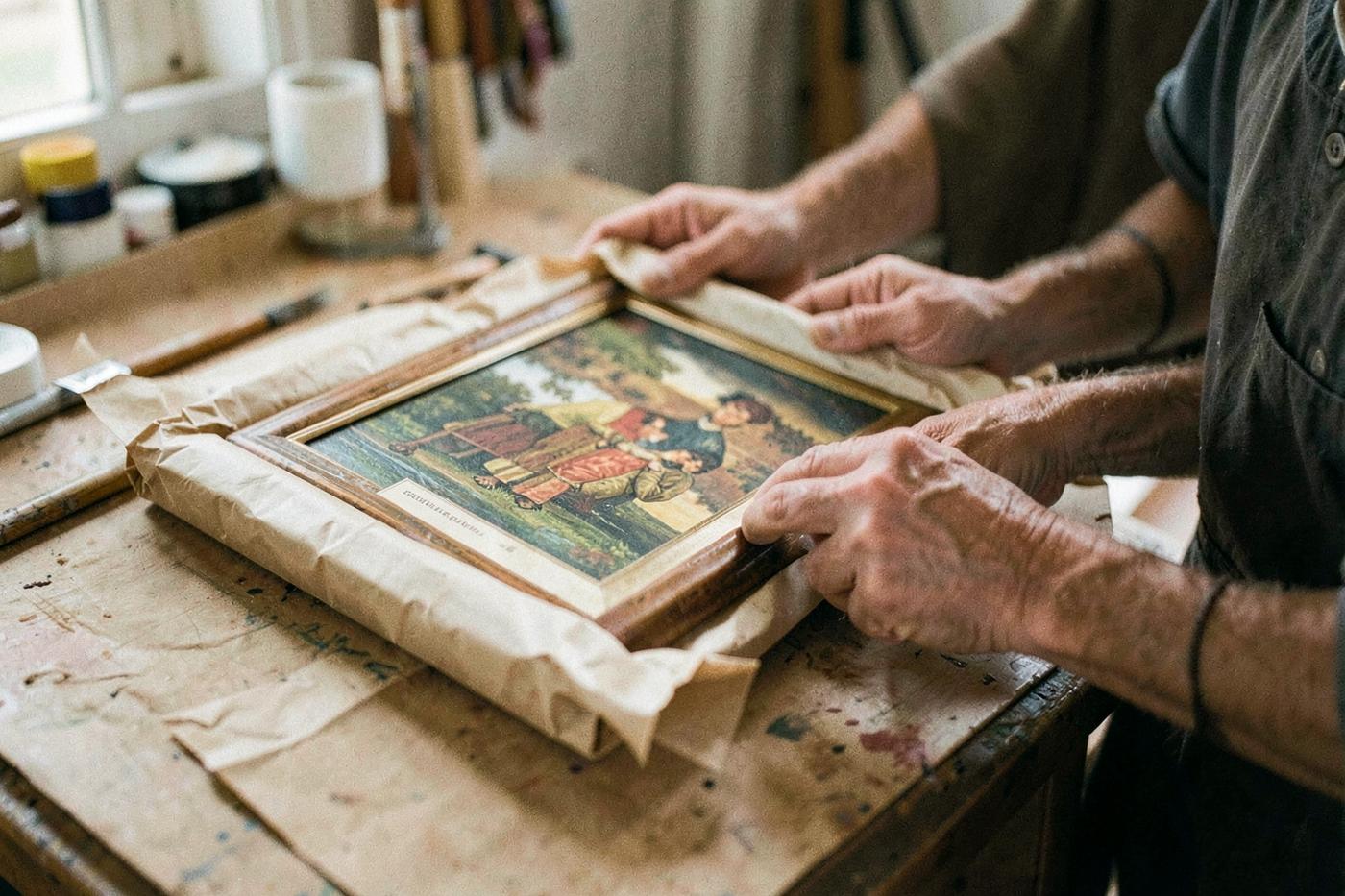
A practical framework for presenting, pricing and placing your work online — built around your practice rather than around a platform.
Selling online is rarely a matter of finding one perfect platform. It is a matter of making your work legible to people who have never stood in front of it — and doing so without flattening the qualities that make it yours.
Start With Documentation
Before anything else, photograph your work properly. Consistent, neutral, well-lit images do more for online sales than any marketing tactic. A buyer who cannot see surface, scale and colour will not commit.
- Shoot in diffuse daylight, against a neutral wall.
- Include one full frontal image, one detail and one scale or install view.
- Keep file names and dimensions consistent across your inventory.
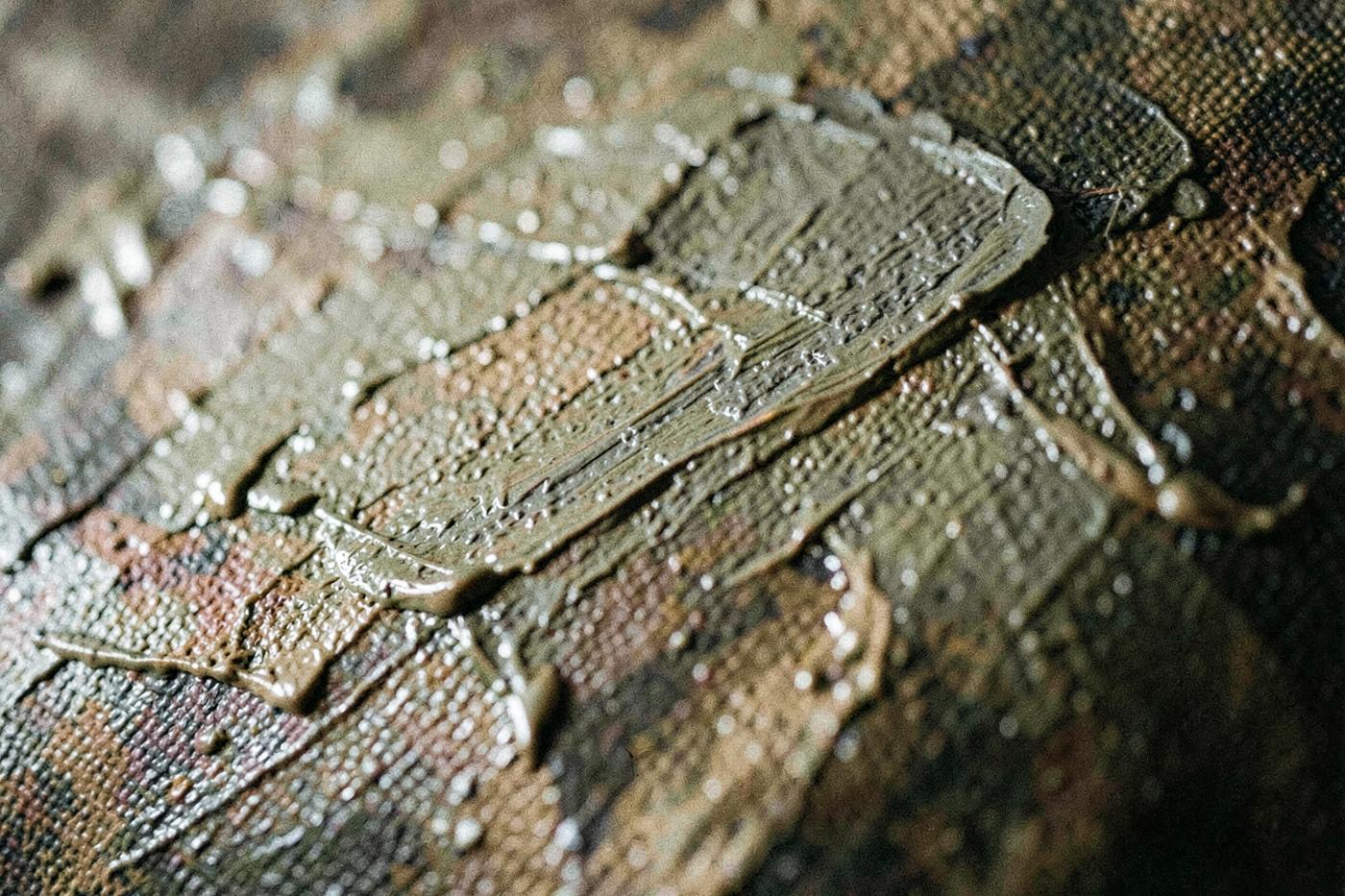
Choose Where You Sell Deliberately
Your own site
Your own site is the only channel you fully control. It should hold your full inventory, your prices and a simple way to enquire or purchase. Everything else points here.
Galleries and platforms
Third-party channels buy you reach in exchange for margin and distance from the buyer. Use them selectively, and keep track of which relationships actually produce sales rather than impressions.
The goal is not to be everywhere. It is to be findable, credible and easy to buy from.
Make Buying Simple
Publish prices, dimensions, medium, year and shipping terms. Ambiguity is the most common reason a serious enquiry goes quiet. Answer within a day, quote a total cost, and confirm timelines in writing.
Follow the Relationship, Not the Transaction
Most artists who sell consistently online do so to a small, returning group. Keep a simple record of who bought what and when, and write to them once or twice a year with new work. That list is the most durable asset in your practice.
More Resources for Visual Artists
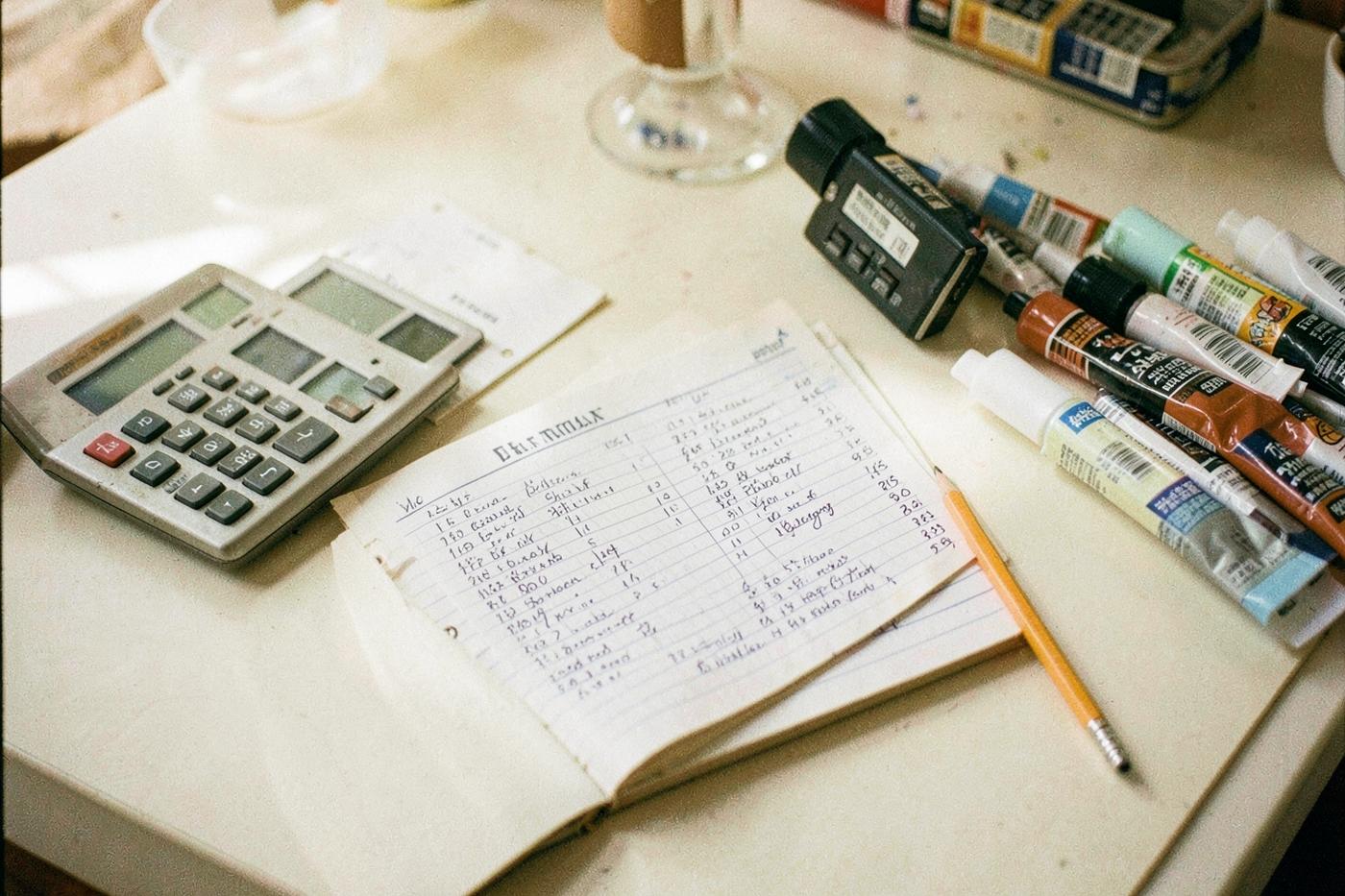
How to Price Your Art With Confidence
Pricing is a professional decision, not a personal judgement. A repeatable method for setting, holding and raising your prices.
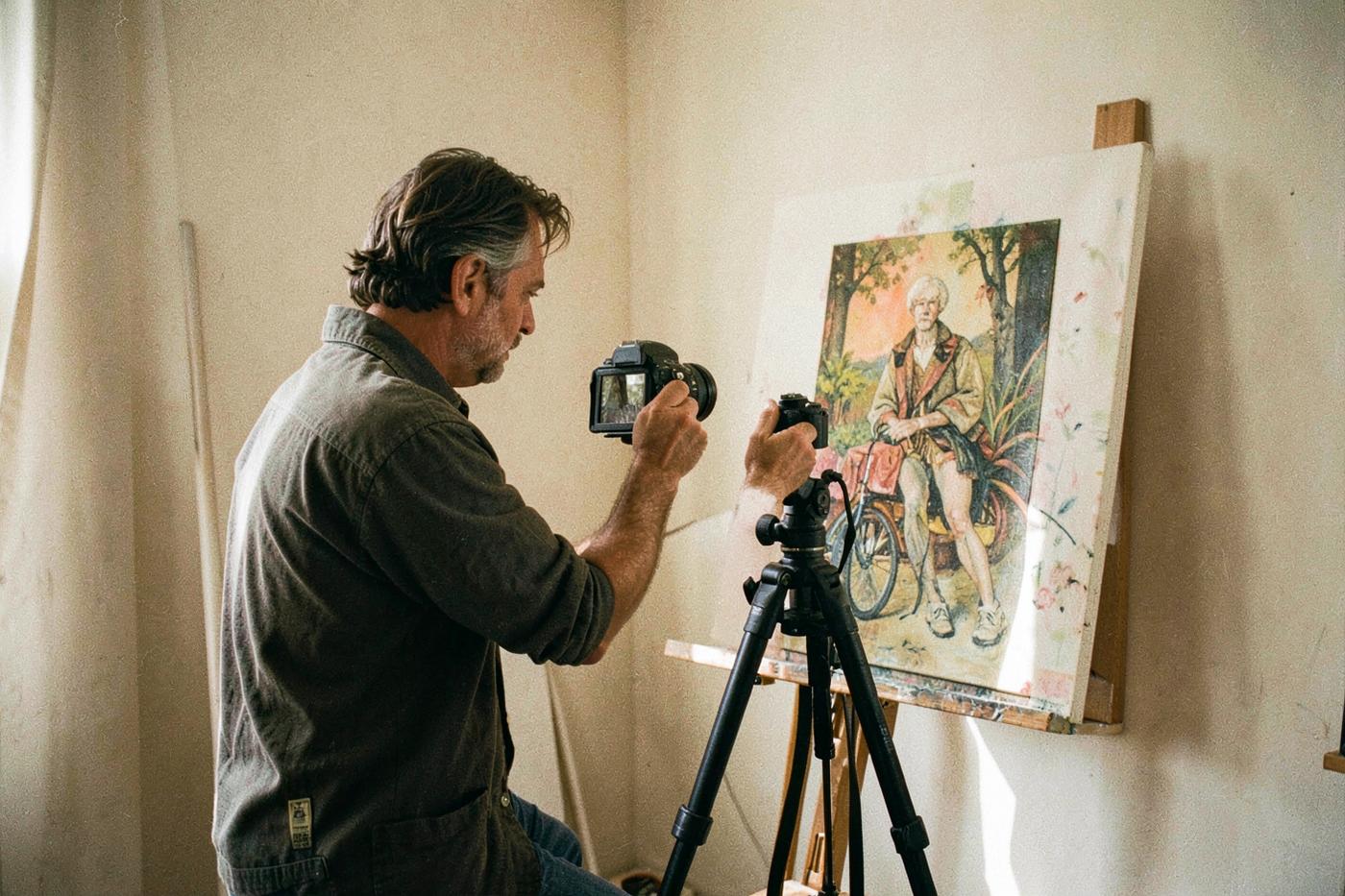
How to Market Yourself as an Artist Without Performing
Sustainable visibility comes from a small number of honest, repeatable habits — not from constant content production.
Building a Professional Identity as an Artist
Personal branding for artists is not invention. It is the disciplined, consistent presentation of what is already true about your practice.