
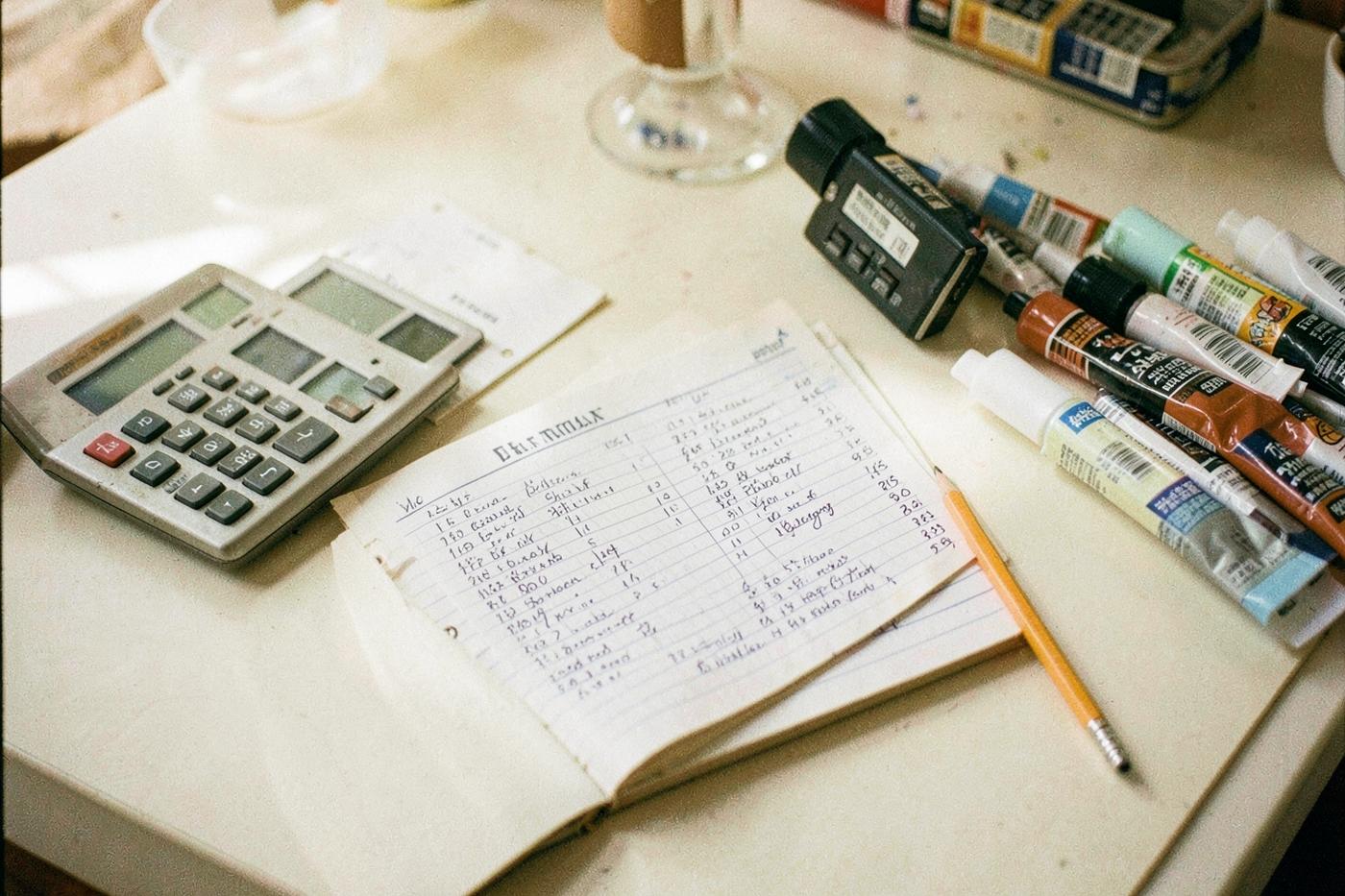
Pricing is a professional decision, not a personal judgement. A repeatable method for setting, holding and raising your prices.
Most artists price emotionally: high when confident, low when tired. A consistent method removes that volatility and makes your prices defensible to collectors and galleries alike.
Begin With a Baseline
A common starting point is a rate per unit of surface area, adjusted for medium and framing, with materials added on top. It does not need to be perfect. It needs to be consistent across your inventory.
- Set a rate per square unit for each medium you work in.
- Add framing, mounting and material costs at actual cost.
- Round to clean, legible numbers.
Account for the Channel
If a gallery takes a commission, that commission is inside the price — not added afterwards. A work should cost the same in your studio as it does on a gallery wall, or you undermine every dealer who represents you.
Price consistency is a form of respect — for collectors, for galleries and for your own back catalogue.
Raising Prices
Increase prices when demand outpaces production, when your exhibition record materially strengthens, or when costs rise. Move in modest, documented steps, and never lower a published price — offer a payment plan or a smaller work instead.
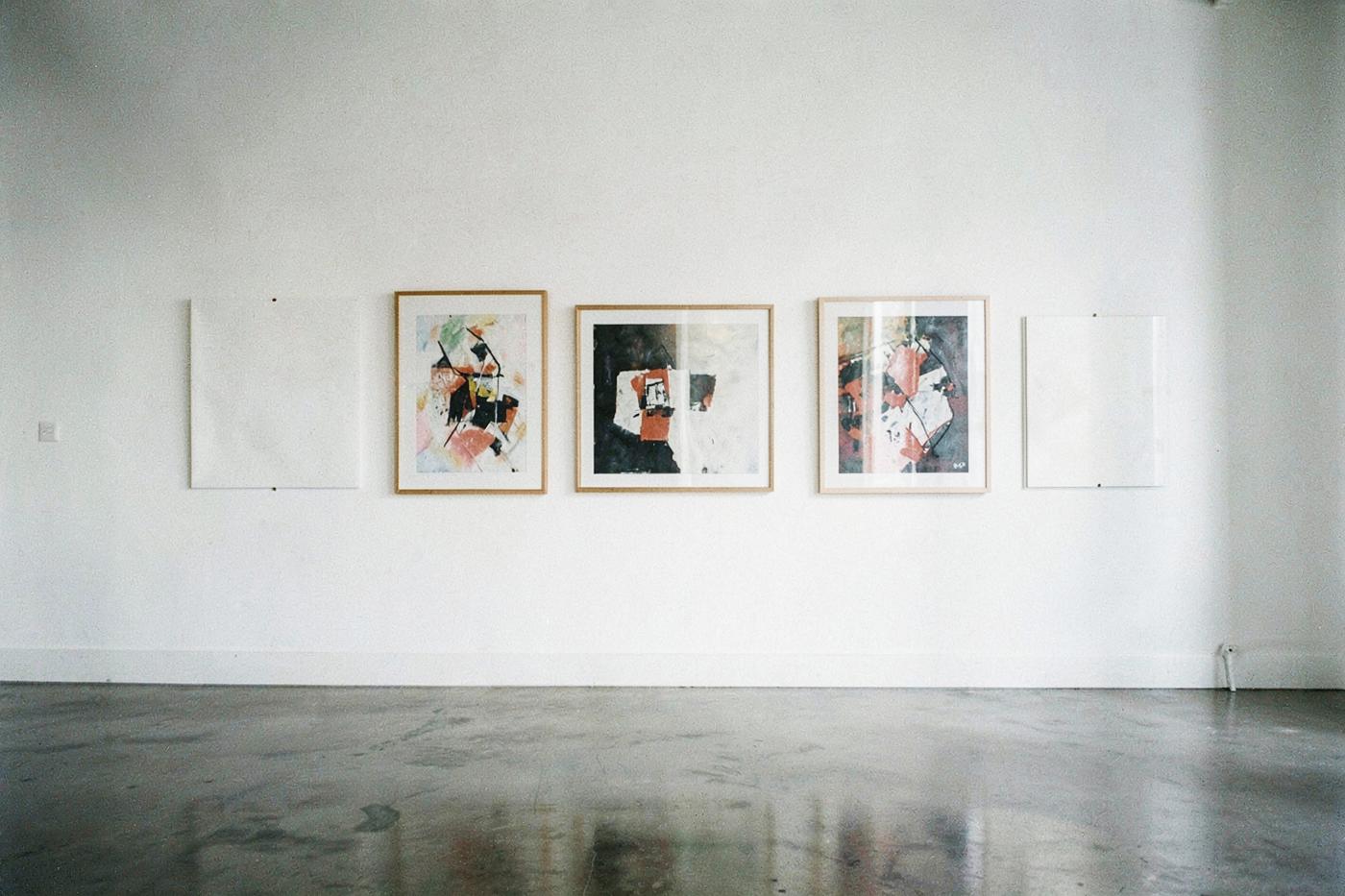
Talking About Money
State the price plainly, then stop talking. Silence after a number is not awkwardness; it is professionalism. If you are asked to justify it, describe process, time and history — not your feelings about the work.
More Resources for Visual Artists
How to Sell Your Art Online Without Losing Your Voice
A practical framework for presenting, pricing and placing your work online — built around your practice rather than around a platform.

How to Market Yourself as an Artist Without Performing
Sustainable visibility comes from a small number of honest, repeatable habits — not from constant content production.

Building a Professional Identity as an Artist
Personal branding for artists is not invention. It is the disciplined, consistent presentation of what is already true about your practice.